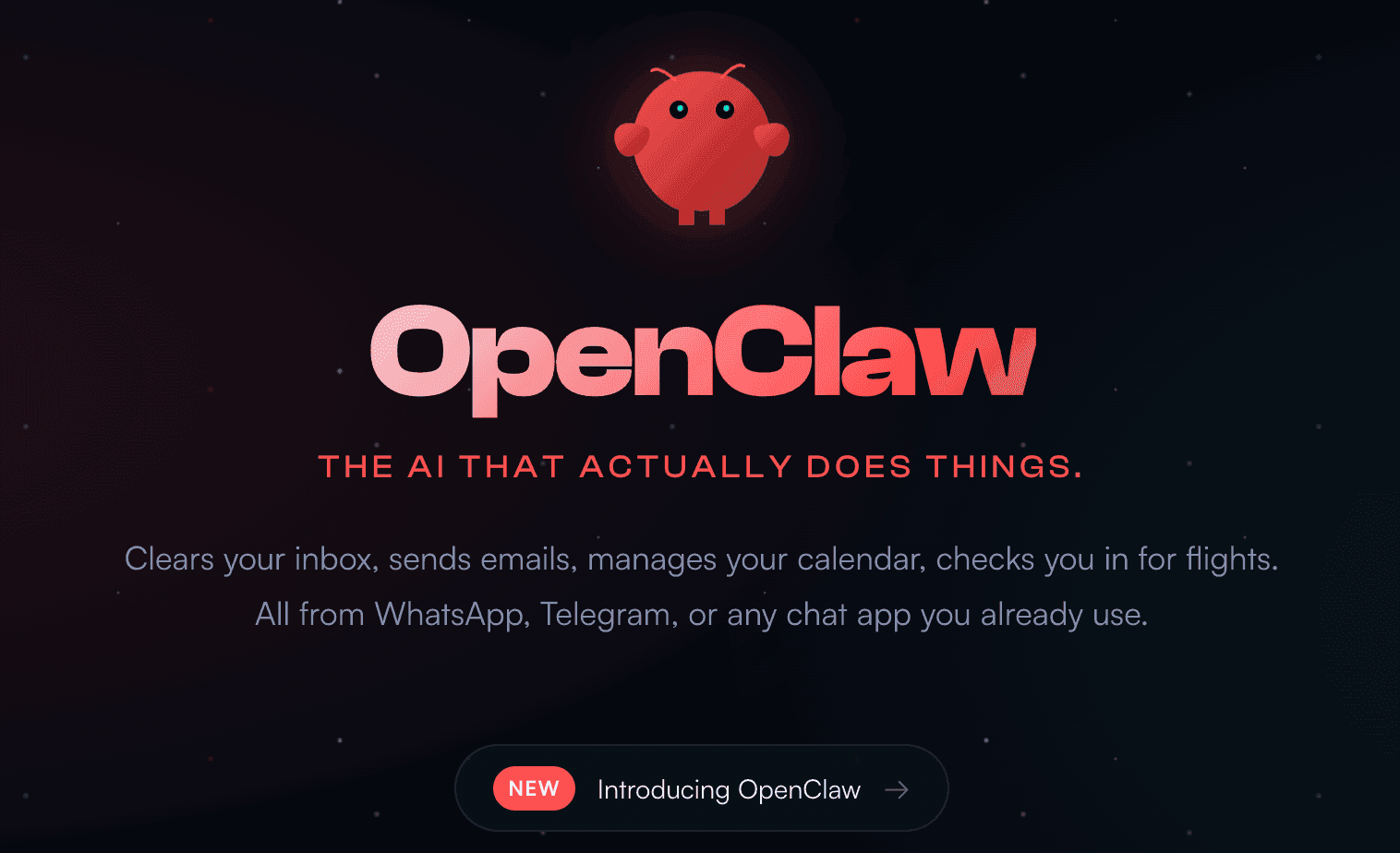
OpenClaw Is the Future of Personal AI. Why Customer Support Can’t Copy It.
And pretending otherwise is how you ship chaos into production.
The first time I saw OpenClaw in action, I had that “oh no… this changes everything” feeling. Not hype. Not demo-polish magic. Real magic.
It wasn’t answering questions. It was doing things. Clearing inboxes. Spinning up workflows. Building its own skills. It felt less like a chatbot and more like a slightly unhinged but brilliant intern living inside your computer.
And I’ll say it clearly: OpenClaw is the future of personal AI.But if you think customer support can just copy that model? That’s where things fall apart.
Personal AI Thrives on Chaos. Customer Support Cannot.
OpenClaw works because it’s yours. Your machine. Your keys. Your risk. If it unsubscribes from the wrong newsletter? Annoying. If it sends a weird email? You clean it up.
Customer support doesn’t get that luxury. One confident wrong answer about billing or compliance isn’t “oops.” It’s liability. We already saw how fragile this gets in why voice AI sounds confident even when it should hesitate. Personal agents can vibe. Support agents must verify.
OpenClaw Is a Personal OS. Support Is a Decision Engine.
OpenClaw is basically a personal operating system. Memory. Tool access. Browser control. Shell commands. It’s what happens when AI drops below the app layer.
Customer support isn’t about system access. It’s about decision accuracy. As we’ve argued before, customer support is a decision engine disguised as a conversation. The job isn’t to “do stuff.” The job is to make the right micro-decision under pressure.
Edge Cases Destroy Copycat Dreams
Personal agents can experiment. Support systems cannot.
We’ve already seen that voice AI is great at FAQs and terrible at exceptions. Now imagine giving that same fragile logic full browser access and system-level autonomy inside a regulated support flow.
That’s not innovation. That’s a compliance horror movie.
Context Is the Real Divider
OpenClaw feels magical because it remembers you. Persistent memory. Long-running context. It feels alive.
But we’ve already learned that AI doesn’t fail on accuracy. It fails on context. In support, context isn’t preference. It’s policy state, entitlement logic, and legal timing.
What Support Should Learn (Without Copying)
Here’s my biased take: Support shouldn’t copy OpenClaw’s autonomy. It should copy its infrastructure philosophy.
Persistent memory. Tool orchestration. Real-time state awareness. Background processing.
But wrapped in guardrails, verification layers, and what we described in Voice AI vs Chatbots as latency + memory discipline.
Ready to see Agentic Voice AI in action?
Don't build a chatbot. Build a decision engine that speaks. Join the top 1% of CX teams moving to unified AI support with RhythmiqCX.
OpenClaw proves personal AI is becoming an operating system. Customer support proves AI must become accountable infrastructure.
Team RhythmiqCX
Building voice AI for real-world decisions not just cool demos.